
Laura Mahecha
Director of Professional Cleaning, Chemicals and Materials
In the U.S. away-from-home hand care market, there are several major trends that are shaping demand, product development, and purchase decisions. Here we explore several of the most important trends shaping the market.
Hand Hygiene Remains Elevated Post-Pandemic
Hand hygiene usage has stabilized above pre-COVID levels rather than returning to historical norms. Healthcare, foodservice, education, and hospitality facilities continue to maintain stronger hand hygiene protocols as part of infection prevention and employee wellness programs. These facilities show sustained demand for soap and sanitizers, with emphasis on hand hygiene compliance, and continued placement of sanitizer stations in public spaces.
Growth of Antibacterial Hand Soaps
Commercial customers continue to favor antibacterial formulations, particularly in healthcare and foodservice settings, where infection control requirements are stringent. Corporate EVS and facility managers increasingly view hand hygiene as part of broader health and safety programs. Key buyers of antibacterial hand soaps are hospitals, long-term care facilities, restaurants, schools and universities.
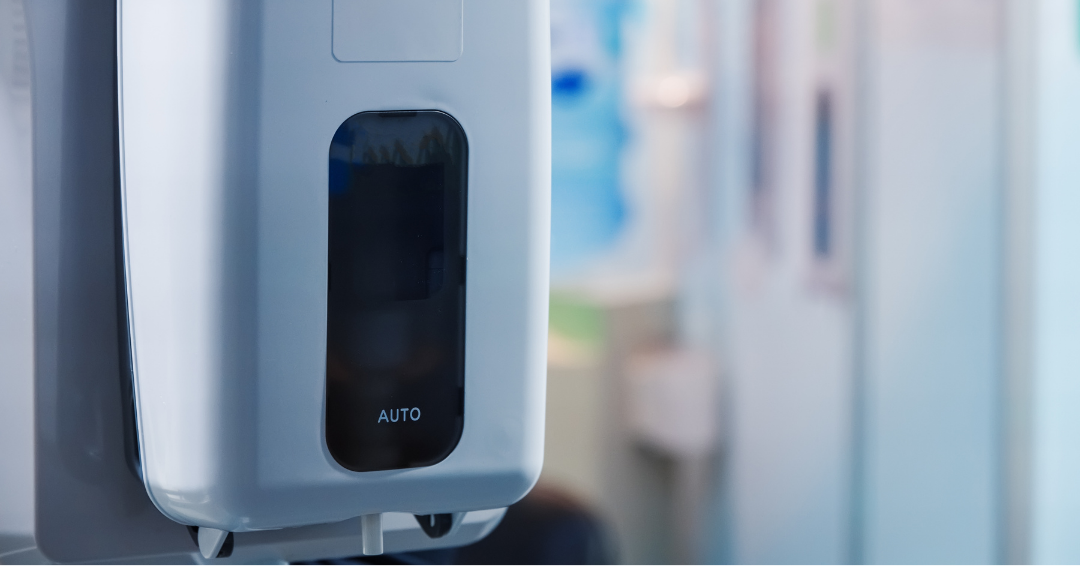
Expansion of Touch-Free Dispensing Systems
Touchless dispensers remain one of the strongest hand care equipment trends. Many facilities are replacing older manual dispensers during renovation cycles and new construction projects. Benefits driving adoption include:
- Reduced touchpoints
- Improved user perception of cleanliness
- Reduced maintenance
- Better dosage control
Smart Restrooms and Connected Dispensing
IoT-enabled dispensers and restroom monitoring systems are gaining traction, particularly among large facilities, airports, universities, healthcare systems, and Class A office buildings. Connected systems can monitor refill levels, usage rates, and maintenance requirements. They can also offer predictive refill management, labor optimization, and hygiene compliance tracking.
Sustainability Becoming a Procurement Requirement
Sustainability is increasingly influencing purchasing decisions. Facility managers and corporate sustainability teams are seeking products that reduce plastic waste and lower environmental impact. In terms of hand care this can mean:
- Recyclable cartridges
- Reduced-plastic refill systems
- Post-consumer recycled packaging
- Concentrated formulations
Preference for Foam Soap Formats
Foam hand soaps continue to gain share in away-from-home environments because they typically use less product per handwash, require less water for rinsing, and provide lower cost-in-use than many liquid formulations. This spans many settings including office buildings, schools, retail facilities, and healthcare facilities.
Skin Health and Moisturizing Formulations
Frequent handwashing can lead to skin irritation, so manufacturers are increasingly incorporating skin-conditioning ingredients and moisturizers into both soaps and sanitizers. Some common claims on hand soaps include:
- Dermatologist tested
- Moisturizing
- Gentle on skin
- Fragrance-free for sensitive users
Premiumization of Hand Care Programs
Many employers and facility operators are treating hand care products as part of building experience and employee wellness initiatives. Premium products are becoming more common in offices, hotels, healthcare facilities, and upscale public venues. Some premium features include better fragrances, enhanced aesthetics, luxury foam soaps, and those that offer skin-care benefits.
Growing Interest in Green Certifications
Products carrying certifications such as EPA Safer Choice or other sustainability validations are increasingly favored in corporate, educational, and government procurement programs. This is being driven by facilities managers having to meet ESG goals, and be mindful of government purchasing standards, and green building initiatives.
Shift Toward Integrated Hand Hygiene Systems
Large suppliers increasingly sell bundled solutions that combine:
- Dispensers
- Refills
- Data monitoring
- Service support
This creates recurring revenue streams and helps customers standardize hygiene practices across multiple facilities.
Continued Demand for Hand Sanitizers in High-Traffic Locations
While sanitizer demand is below pandemic peaks, usage remains common in:
- Airports
- Healthcare facilities
- Schools
- Foodservice
- Public buildings
Facilities increasingly view sanitizer as a complementary solution alongside handwashing rather than a temporary pandemic measure.
Budget Pressure and Cost-in-Use Focus
Inflation and facility budget pressures are causing buyers to closely evaluate total program costs. Procurement teams increasingly compare products on:
- Cost per handwash
- Refill frequency
- Labor savings
- Waste reduction
Foam formats, high-capacity refills, and controlled-dose dispensers benefit from this trend.
In conclusion, the most important trends for hand care manufacturers are:
- Touchless dispensing adoption
- Sustainability and packaging reduction
- Smart/connected dispensers and restroom analytics
- Integrated dispenser-refill service programs
- Skin-friendly, moisturizing formulations, and foam hand soap formats
- Continued elevated hygiene awareness and premium user experience focus