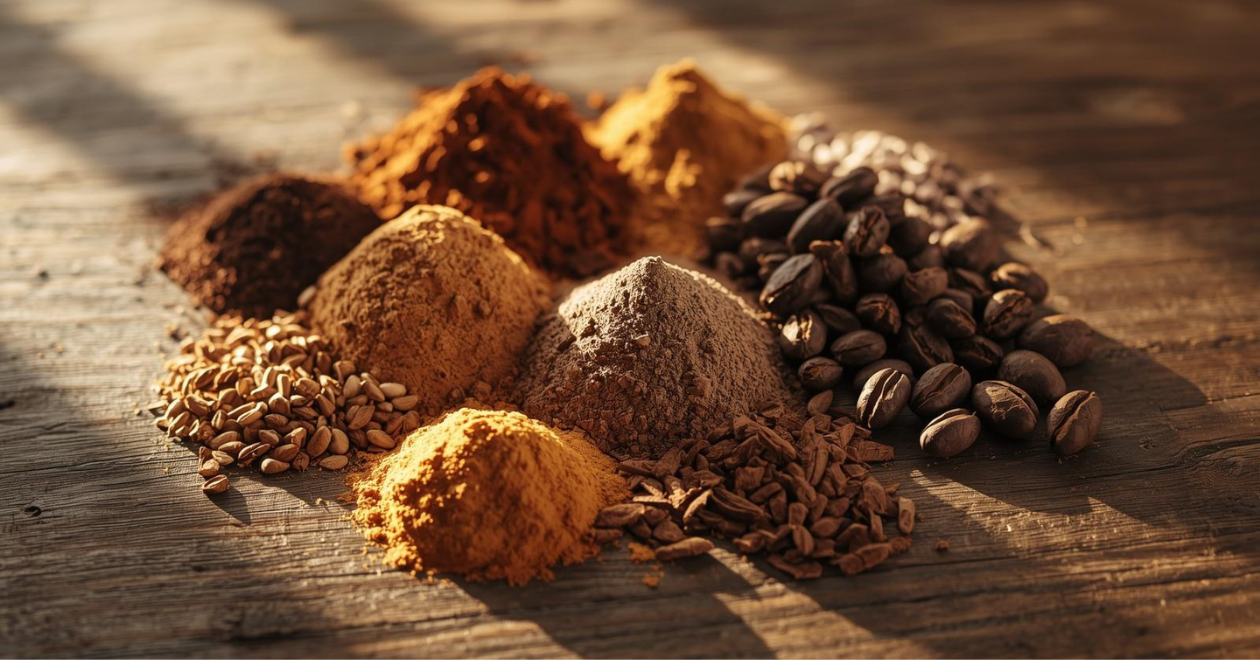
The global cocoa and chocolate sector is undergoing structural disruption as climate related supply constraints, price volatility, and rising sustainability requirements reshape ingredient strategies. In response, food manufacturers are increasingly adopting cacao alternatives and cocoa reduction approaches to improve supply resilience, manage costs, and meet environmental expectations.
These solutions, ranging from established substitutes such as carob to advanced fermentation derived ingredients, are evolving from niche replacements to a strategic ingredient category across confectionery, bakery, beverages, and dairy. This article explores the key drivers behind this shift, the main ingredient and technology pathways, current innovation trends, commercial challenges, and the long-term outlook for cacao alternatives.
Market Drivers for Cacao Alternatives
Cocoa supply instability is the primary driver for the increasing adoption of cacao alternatives. Record cocoa prices in 2024–2025, caused by poor harvests, climate stress, and supply chain disruptions, exposed structural supply risks, particularly in West Africa, which accounts for over 60% of global production and has been heavily affected by erratic weather, disease, deforestation regulations, and declining farm productivity.
Although prices have stabilized and begun to ease, innovation momentum has accelerated, driving rapid development of alternative ingredients and cocoa‑reduction solutions. Meanwhile, climate change and rising sustainability and traceability requirements are pushing manufacturers toward lower‑impact, more resilient ingredients, such as carob and grain‑based alternatives.
Persistent price volatility has also intensified reformulation efforts, with suppliers developing solutions that replicate cocoa’s flavor, color, and functionality while improving cost predictability and supply security.
Key Cacao Alternatives Ingredients
Cacao alternatives are typically designed to replicate specific cocoa characteristics such as flavor, color, mouthfeel, and fat functionality, while improving cost predictability, supply security, and sustainability.
Key ingredient categories include:
Carob: Carob remains one of the most established cocoa substitutes. Derived from carob tree pods, it offers natural sweetness, caramel‑like flavor notes, and good coloring properties. Its low water requirements and suitability for arid climates make it attractive from both cost and sustainability perspectives.
Cereals, grains, and legumes: Many next generation alternatives use roasted or fermented grains and legumes to recreate cocoalike flavor profiles. Common raw materials include barley, oats, wheat, rice, and fava beans. Controlled fermentation and roasting processes generate bitterness, color, and aromatic complexity similar to cocoa.
Seeds and fruit-based ingredients: Roasted sunflower seeds, fruit seeds, and vegetable kernels are increasingly used to contribute to flavor, mouthfeel, and color in cocoa free or reduced cocoa formulations.
Cocoa butter and fat alternatives: Replacing cocoa butter is critical for achieving chocolate like melting behavior. Alternatives include shea butter, coconut oil, and selected vegetable fats. These fats are already widely used in compound coatings and enable cost reduction and processing efficiency.
Hybrid and fermentation-derived alternatives: Advanced solutions use fermentation, biotechnology, or precision processing to create cocoa-like ingredients from non-cocoa sources.
These processes mimic traditional chocolate-making steps (fermentation, roasting, and conching) using alternative raw materials.
Trends and Innovations
1. Cocoa-reduced formulations
Rather than eliminating cocoa entirely, many manufacturers are adopting blended approaches that combine cocoa with flavor enhancers or alternative ingredients. This strategy maintains sensory quality while reducing cost exposure. Examples include yeast extracts to boost chocolate flavor, partial cocoa replacement in bakery and confectionery, and hybrid chocolate formulations.
2. Cocoa-free chocolate development
A growing segment focuses on fully cocoa-free chocolate alternatives that replicate the taste and texture of chocolate without cocoa. Start-ups and ingredient companies are developing cocoa-free dark, milk, and white alternatives using grains, legumes, and fermentation technology.
3. Sustainability-driven innovation
Environmental claims are central to cacao alternative innovation, including reduced water use, lower deforestation risk, and improved supply chain transparency. These attributes support environmental, social, and governance (ESG) commitments and resonate with sustainability focused consumers.
4. Functional and health positioning
Some cacao alternatives enable additional health-oriented positioning, such as lower caffeine content, reduced fat, allergen free formulations, and added fiber and protein.
Industry Challenges
Despite strong innovation momentum, several structural and commercial challenges continue to shape the cacao alternatives landscape. Sustainability alone will not drive meaningful commercial adoption of cacao alternatives; successful solutions must also deliver clear nutritional, functional, or clean label advantages.
From a production standpoint, scalability remains uneven across ingredient types. While malt and grain processors already have much of the infrastructure required to scale cocoa alternatives rapidly, current market demand remains limited, restricting near-term growth. Cost competitiveness is a further constraint, particularly for sugar reduction solutions, as subsidized sugar sets a price benchmark that alternatives struggle to match.
Finally, replicating cocoa’s complex flavor profile and melting behavior remains technically challenging, often requiring multigradient systems. Regulatory definitions and consumer perceptions further limit marketing flexibility, particularly where the use of the term “chocolate” is restricted.
As a result, only the solutions that offer tangible added value, such as improved nutrition, cleaner labels, and differentiated functionality, are likely to gain traction.
From Farm to Bioreactor: Advancing CellBased Cacao
Cell-based cacao represents a cutting-edge approach to chocolate production, in which cacao cells are cultured in bioreactors to produce the key compounds of cocoa, including flavor precursors, aromatic molecules, and functional lipids, without the need for traditional farming.
This emerging technology aims to deliver authentic cocoa profiles with greater sustainability, reduced environmental impact, and improved supply resilience. By leveraging cellular agriculture, developers seek to address many of the structural challenges facing conventional cacao cultivation, including deforestation, climate vulnerability, and labor constraints, while offering the chocolate industry scalable, traceable, and ethically produced alternatives to bean-derived cocoa.
Growth Potential and Future Outlook
Cacao alternatives show strong long-term growth potential driven by structural cocoa supply risks, sustainability pressures, and continued innovation in food technology. The category is expanding beyond confectionery into bakery, beverages, dairy, ice creams, and functional foods.
Investment in fermentation technologies, cocoa butter replacements, and sustainable alternative crops is accelerating, indicating that cacao alternatives are evolving from niche substitutes into a strategic ingredient platform.
Cacao alternatives are transitioning from a niche to a deliberate ingredient category driven by cocoa supply volatility, climate change, and rising costs. A wide range of ingredients, including carob, grains, legumes, seeds, and fermentation-derived compounds, are being used to replicate cocoa’s flavor and functionality.
While challenges remain around sensory quality, consumer perception, a nd scalability, the long-term growth outlook is strong. As sustainability and cost stability become critical priorities for food manufacturers, cacao alternatives are likely to play an increasingly important role in confectionery and broader food innovation.
The category holds significant potential not only as a cocoa replacement but also as a platform for new flavor systems, functional ingredients, and sustainable product development.