
Shalaka Sohoni
Analyst, Beauty and Wellbeing
North America’s medical-dispensed skin care market is entering a new phase. Growth is reaccelerating in the United States, while Canada is seeing more polarized performance across brands and channels. At the same time, innovation is moving beyond traditional corrective skin care toward regenerative science, targeted treatment solutions, and broader concepts of skin health and longevity.
According to Kline’s latest Medical-Dispensed Skin Care Mid-Year 2026 Update, the U.S. medical care provider channel grew 6% in the first half of 2026, while Canada declined 1% over the same period. Despite these different market trajectories, both markets are undergoing meaningful shifts in how providers select brands, how companies support accounts, and how consumers move between professional and digital channels.
Emerging brands are capturing disproportionate growth
The medical-dispensed skin care market remains concentrated among established players, but growth is increasingly coming from brands with highly differentiated propositions.
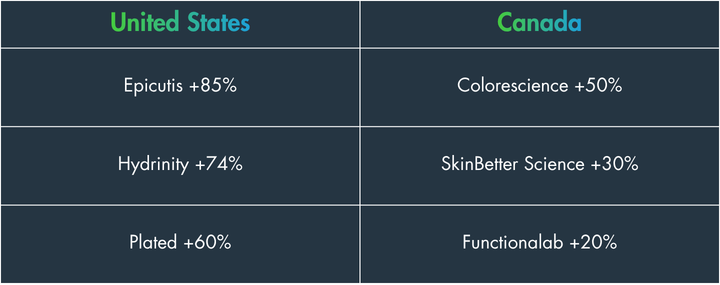
In the U.S., SkinCeuticals, ZO Skin Health, and SkinBetter Science continued to command a significant share of medical care provider sales in the first half of 2026. Yet some of the fastest-growing brands were considerably smaller players, with Hydrinity, Epicutis, and Plated Skin Science posting particularly strong momentum. Their performance reflects growing interest in regenerative ingredients, procedure-adjacent products, microbiome support, and simplified regimens. Rather than relying on broad portfolios, emerging brands are often built around clearly defined technologies, skin concerns, or treatment applications.
Canada is experiencing a similar shift. Colorescience and SkinBetter Science were among the strongest performers in the first half of 2026, while Functionalab and Alastin also delivered growth. Meanwhile, several established brands experienced significant declines. This divergence highlights a market where scale alone does not necessarily translate into momentum.
Top Three Growth Winners, 1H 2026 vs. 1H 2025
Regenerative science is becoming a defining innovation platform
Exosomes, peptides, and other advanced actives are increasingly shaping medical-dispensed skin care innovation, with brands expanding beyond traditional “damage and repair” toward regeneration, recovery, and long-term skin health.
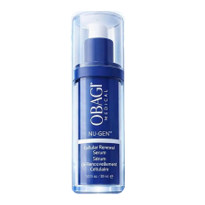
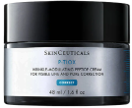
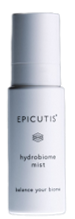
In the U.S., recent launches illustrate this shift. Epicutis introduced Hydrobiome Serum for microbiome balance, barrier support, and hydration, while Alastin launched an upgraded Regenerating Skin Nectar with TriHex+, and SkinCeuticals extended its peptide-based P-TIOX franchise with P-TIOX Anti-Wrinkle Cream. Obagi also introduced NU-GEN Cellular Renewal Serum, bringing NAD+, NMN, and niacinamide into a longevity-focused proposition.
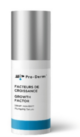
Canada is seeing similar activity. Functionalab continued to leverage its EXO-GF Serum, while Pro-Derm introduced a Growth Factor Plumping Serum combining epidermal growth factors with pro-longevity peptides. iS Clinical also launched its GeneXC Firming Eye Gel with peptides, hyaluronic acid, bio-fermented actives, and vitamin C.

GLP-1 and longevity are opening new avenues for professional skin care
The expansion of GLP-1 weight-loss therapies is creating new skin concerns. and medical-dispensed brands are beginning to respond.
Significant weight loss can be associated with facial volume loss and skin laxity, creating opportunities for professional skin care within the broader post-weight-loss aesthetic journey. SkinBetter Science launched Ampra Volumizing Macro HA Serum with a focus on facial volume and contour, while Alastin developed a new GLP-1 skin care bundle using existing products. SkinMedica has also promoted post-GLP-1 skin care routines and education on its digital channels.

The opportunity extends beyond GLP-1-specific products, as aesthetics, wellness, and longevity increasingly converge. Hybrid practices are expanding beyond traditional med-spa services to include wellness and longevity offerings, creating new opportunities for professional skin care.
In the U.S., Next Health illustrates this shift, expanding its longevity-focused clinic network while integrating aesthetics and skin care alongside broader wellness and health-optimization services. VIO Med Spa is similarly broadening the traditional med-spa model into wellness and longevity services.
For medical-dispensed brands, this expands the role of skin care beyond post-procedure use toward longer-term skin health, prevention, recovery, and aging.
E-commerce is becoming part of the professional skin care journey
The traditional medical-dispensed model has historically relied on the physician or medical spa as a point of discovery, recommendation, and purchase. That model is becoming more fluid.
In the U.S., e-commerce grew at a strong double-digit rate in the first half of 2026, outpacing the medical care provider channel. Canada saw an even sharper divergence, with e-commerce delivering strong double-digit growth while medical care provider sales declined. Yet digital growth does not necessarily mean that the professional channel is losing relevance. Instead, the two are becoming increasingly connected.
E-Commerce Sales Growth, 1H 2026 vs. 1H 2025

*E-commerce sales for physician-dispensed brands that have the majority of their sales in the MCP channel. The e-commerce sales shown are captured in the retail channel and are not linked back to the physician. These sales are through brand websites and third-party e-tailers, such as Amazon, Dermstore, Bluemercury.com, and Ulta.com.
According to Kline’s Aesthetic Skin Care Consumer Insights USA study, 46% of consumers discover professional skin care through a physician or medical spa, while 24% initially purchase in-office and subsequently repurchase online. Approximately 60% reported making their most recent professional skin care purchase outside the physician or medical spa or its online shop, highlighting the growing role of digital channels in research, conversion, and replenishment.
E-commerce is also becoming a source of new customer acquisition. Colorescience saw strong Amazon growth during Prime Day 2026, alongside significant new-customer acquisition. Brands are responding by strengthening their digital ecosystems, with Revision refreshing its brand.com and Amazon presence around longevity and ZO Skin Health preparing an e-commerce relaunch focused on education, regimen guidance, and consumer recruitment.