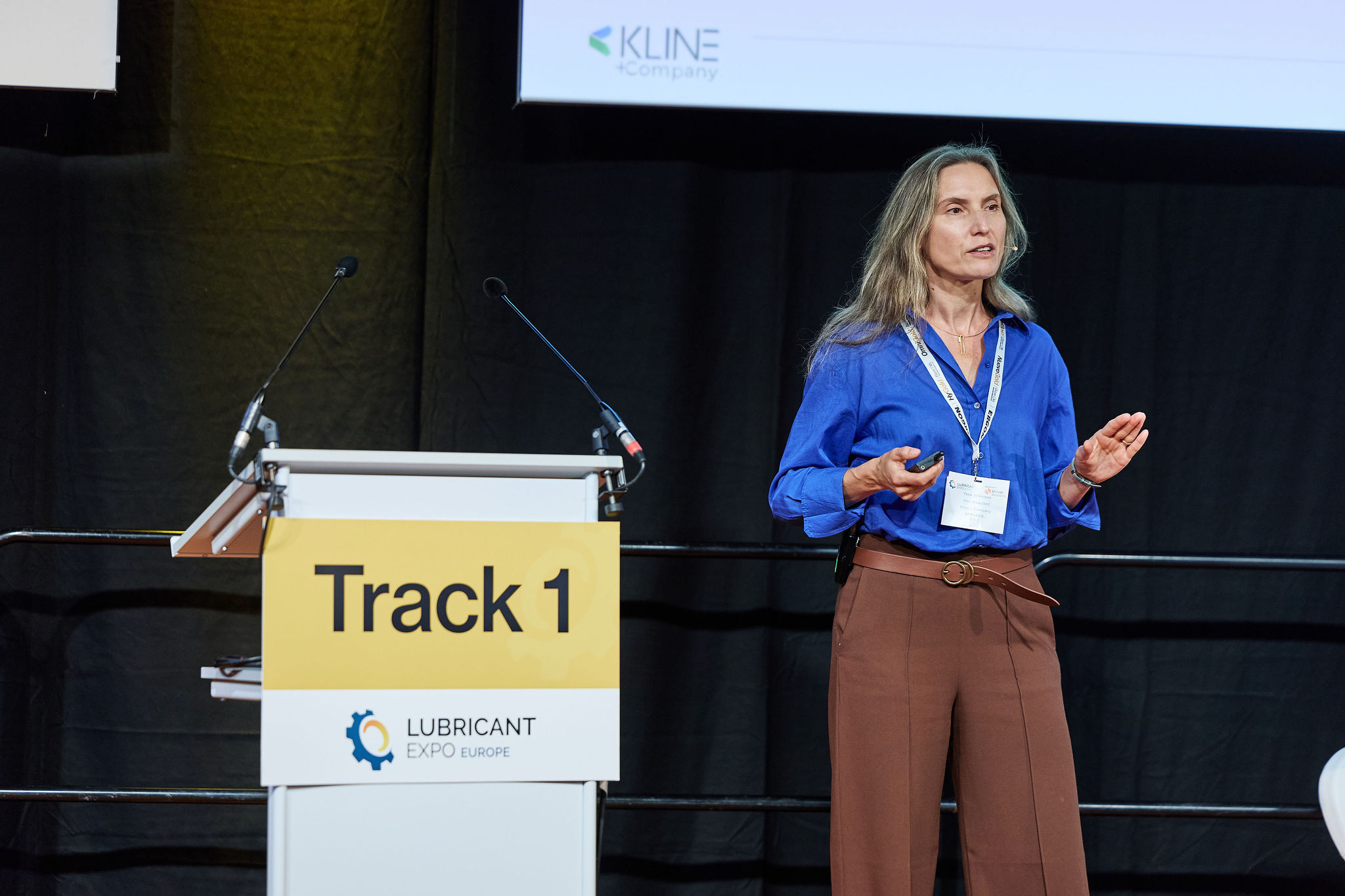
As we wrap up another Lubricant Expo 2026, we wanted to take the time to reflect on the things that you should be aware of and the things that you should be taking a position on.
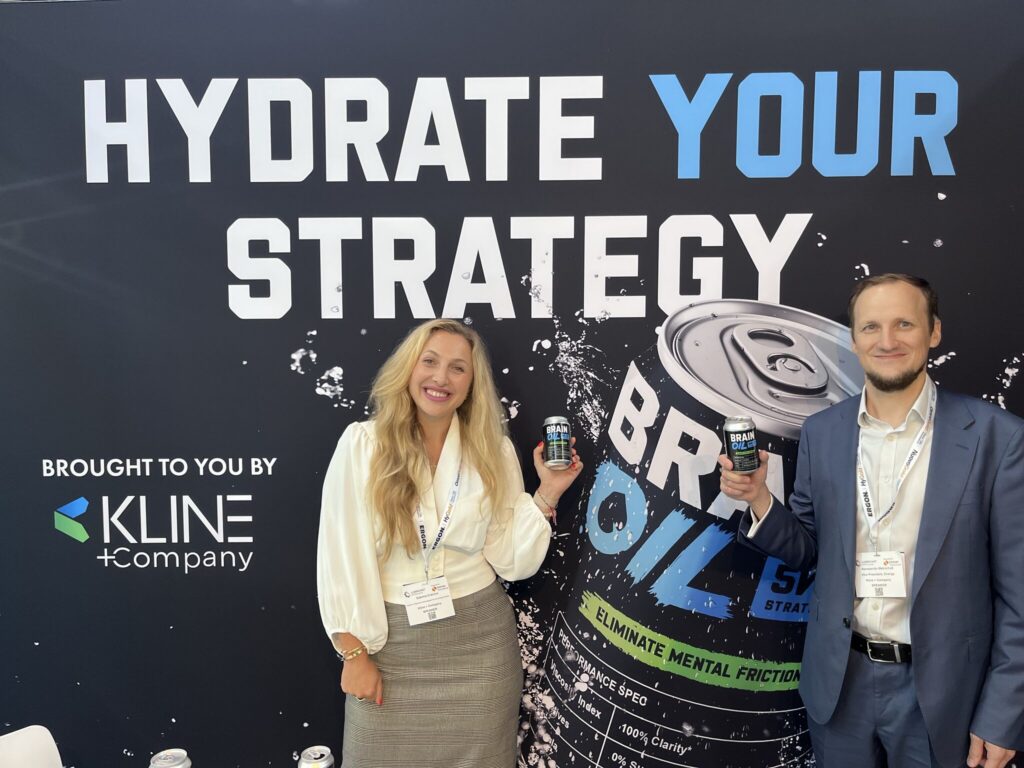
If the halls in Düsseldorf are anything to go by, then the lubricant industry is going from strength to strength. Lubricant Expo Europe gets busier every year, and 2026 was no exception. It was the first time that we debuted Brain Oil, our hydration solution for lubricant marketers and the feedback was fantastic.
The broad story that we saw on the floor was of an industry that has been dealing with huge disruption, after several years of challenges and shifting landscapes, but that is becoming stronger and more resilient. Growth was visible everywhere, both in terms of showings on the floor and the potential growth the industry can look forward to.
However, growth does not mean anything if you can’t access it. For those looking for actionable insights, addressability is the key question.
Leaders need to make headspace to seed tomorrow’s opportunities while those left behind are stuck in crisis management."
Yana Wilkinson, Vice President
The question for you, whether you attended or not, is what does this mean for you?
We break down the three things that you should be paying attention to, and the three things that you should have on your agenda:
Three things to pay attention to:
1. Niches are becoming more prominent:
Defense manufacturing, power for digital infrastructure, robotics (including humanoid robotics), and metalworking fluids were all being, or back being, talked about – both on the conference agenda and on the show floor.
(In fact, defense and power for digital infrastructure were covered by Kline in presentations, and we will be hosting webinars on those topics in October.)
Each of these has different and nuanced value propositions, risk profiles, and unique barriers to entry and right-to-win factors. Power generation, in particular, is an exciting opportunity, but the addressability is complex, with talk of data center construction not always turning into action.
For defense manufacturing, 2025 saw the eleventh consecutive year of defense spending growth. However, as European supply chains are pivoting from automotive to defense, there is a ~two-year lag from budget to factory floor.
These are areas where your alignment with the ecosystem you are selling into is the main success factor. If you don’t play by the rules of the game or to the needs of the customer, then it doesn’t matter how superior your product is.
2. Services as a lever for demand management:
Services have witnessed a rising trend for a while, with the rise of the solution-driven offer becoming more important. However, the reason that we’re calling this out as a trend to watch is because of how closely it is linked to supply shortages.
When it becomes hard to manage supply, services such as circularity, filtration, and demand management (especially enabled by digital integration and real-time asset monitoring data) become ways for customers to extend the life of the product they do have, and to rationalize product demand in the longer term.
3. Circularity and RRBO have security of supply potential:
Circularity and RBBO are very well established in the sustainability consideration bucket. However, we led several conversations exploring how they could also be considered as a supply security asset as well. Something that will help keep them on the table as options as sustainable topics face pressure to justify themselves economically.
OEMs signaled their stamp of approval for RRBO-based formulations of select suppliers. We are not yet at the stage where RRBO can deliver at the scale needed to be a true supply option. However, Infineum won the Sustainability Innovation of the Year Award at the event for their Accelerating Circularity Through Mass Balance Certification initiative, enabling lubricant additives to contain 25-30% circular-attributed content.
The challenge to overcome for RRBO to become a supply chain security option is the scale of operation, both in terms of plants that are capable of significant output and of collection infrastructure. The winners will be those that have good partnerships with used oil collection points, ensuring that it is collected according to grade and quality, and that have the capacity to re-refine it.
Three things to put on the management team agenda for annual planning:
1. Start defining “new normal” scenarios despite uncertainty:
The intensity and duration of the disruption caused by the ongoing conflict in the Middle East will cause structural changes in the fabric of both supply and demand. We are now at a point where we can say that some things will never be the same, and that it matters for your strategic position, not just tactical.
As a management team, it’s important to think in terms of horizons and have a clear view of 12 months as well as what a two-to-five-year view might be, and the resulting threats and opportunities you need to deal with.
Different scenarios need to be considered explicitly, with clear plans in place for each so that you are not just reacting to uncertainty but preparing for the different directions the market could take.
2. Regionalization is opening doors: capture customers who are looking for alternatives
Customers and partners have had to try solutions and workarounds over the past seven months that they would not have previously entertained. Supply chain shifts, in particular, have led to deglobalization as customers look to diversify to increase resilience.
That search for optionality has opened the door to challengers. One trend that Kline has been tracking for years has moved into the mainstream, with independent additive package suppliers strengthening their position in Europe, while the broader “meets the requirements” product segment continues to expand.
This has meant that the industry is dividing between challengers and traditional players. Is this your opportunity to take a bigger seat at the table, or are you in danger of facing a different environment?
3. Your success depends on the quality of your partnerships (distribution and broader ecosystem):
While competition is becoming more intense, route to market is becoming a strategic capability. There may be many lubricant suppliers, but there are far fewer effective routes to market. Distributors are consolidating, auto parts groups are integrating vertically and horizontally, and channel partners are gaining influence, so access to customers is becoming an increasingly valuable asset. At the same time, technology, quality and OEM approvals are increasingly expected rather than differentiating, and customers are buying outcomes such as uptime, productivity and total cost of ownership rather than products. Competitive advantage is shifting from the product itself towards route-to-market effectiveness and the ability to solve customer problems.
In that environment, your partnerships are the biggest strength, or your biggest weakness. Having the right relationships in place means that you have the flexibility to adapt to a changing world.
Configuring and managing them well is key not only to success but also to risk reduction.