
Smriti Sharma
Project Lead, Food and Nutrition
When multiple brands begin reinventing the same category at the same time, it is usually a sign that a larger market shift is underway.
The signal becomes even stronger when one of the world’s largest beverage companies decides that gut health belongs in the soda aisle.
A Turning Point for Functional Beverages
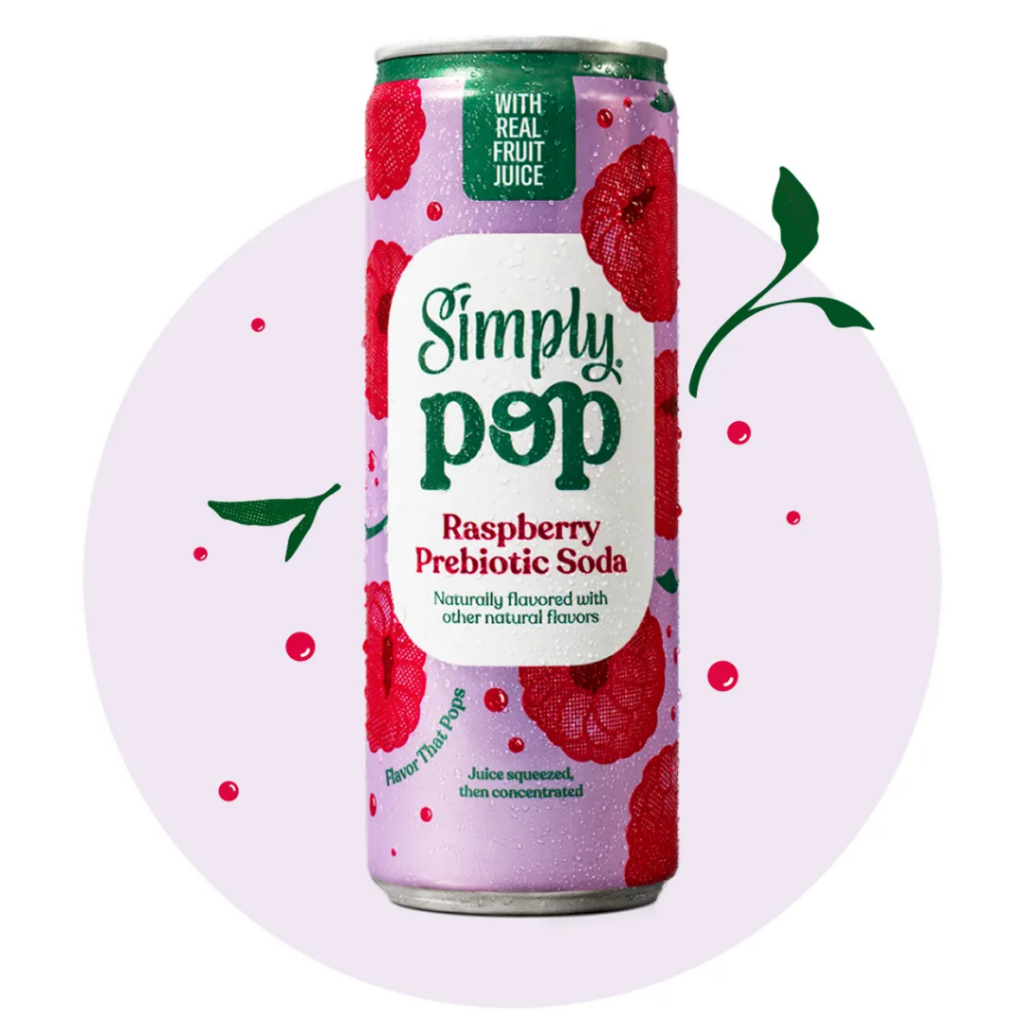
Coca-Cola’s launch of Simply Pop in 2025 marked a significant milestone for the prebiotic beverage category, bringing microbiome-focused functionality into one of the most recognizable beverage portfolios in the world. The product combines prebiotic fiber with added nutrients while targeting consumers that seek healthier alternatives to traditional soft drinks.
The company’s ambitions in the category appear to be expanding.
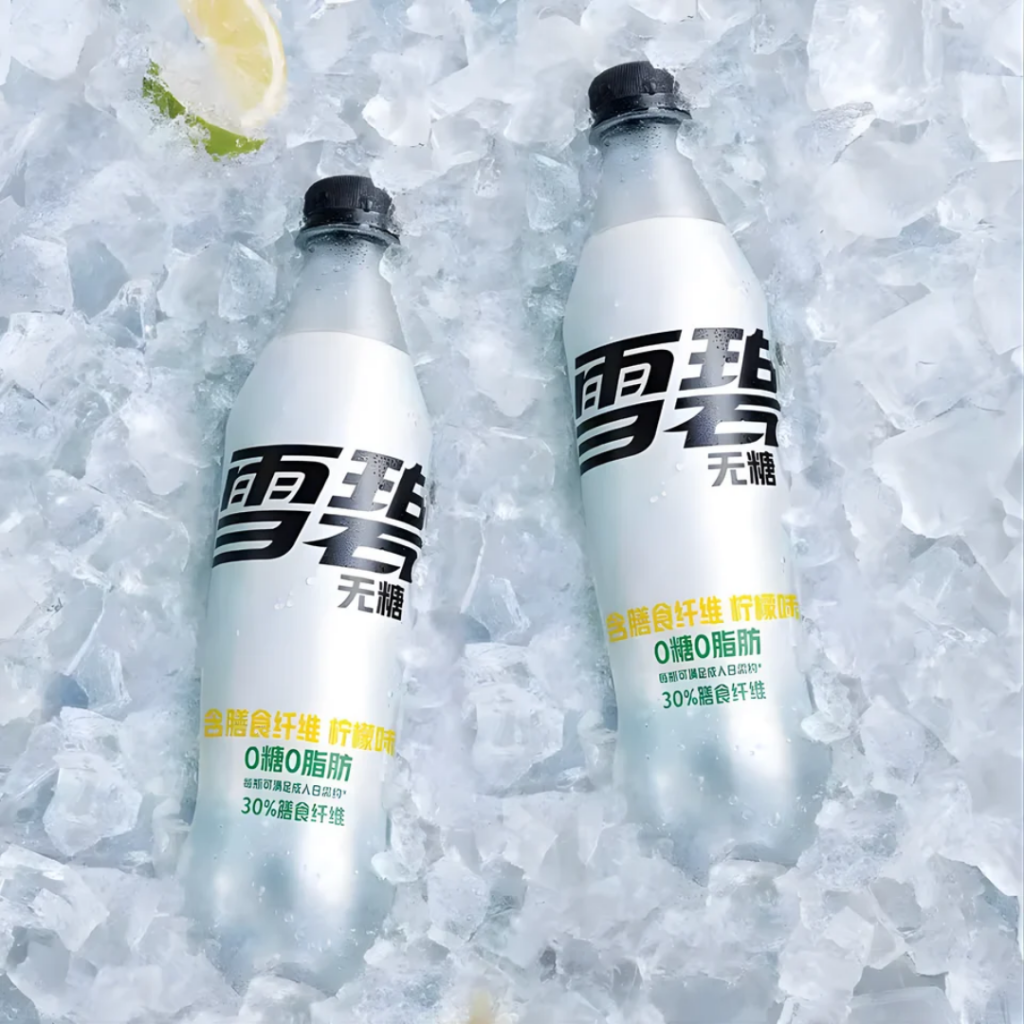
Recent launches and industry reports indicate Coca-Cola is extending prebiotic concepts beyond Simply Pop, including sugar-free prebiotic soda products in China and potential prebiotic variants of flagship brands, such as Coca-Cola Zero Sugar and Sprite Zero Sugar.
The Real Question: What Is Inside the Can?
The most interesting aspect of prebiotic soda may not be the format itself, but the formulation choices behind it.
As the category matures, success will likely depend on several factors:
- Type of prebiotic ingredient used
- Fiber dosage and scientific substantiation
- Sweetening system and consumer acceptance
- Taste and sensory performance
- Ability to deliver meaningful gut-health benefits
This is where the next phase of innovation and differentiation is likely to emerge.
India Is Following a Global Playbook
India’s prebiotic soda market appears to be following a pattern already seen in more mature functional beverage markets.
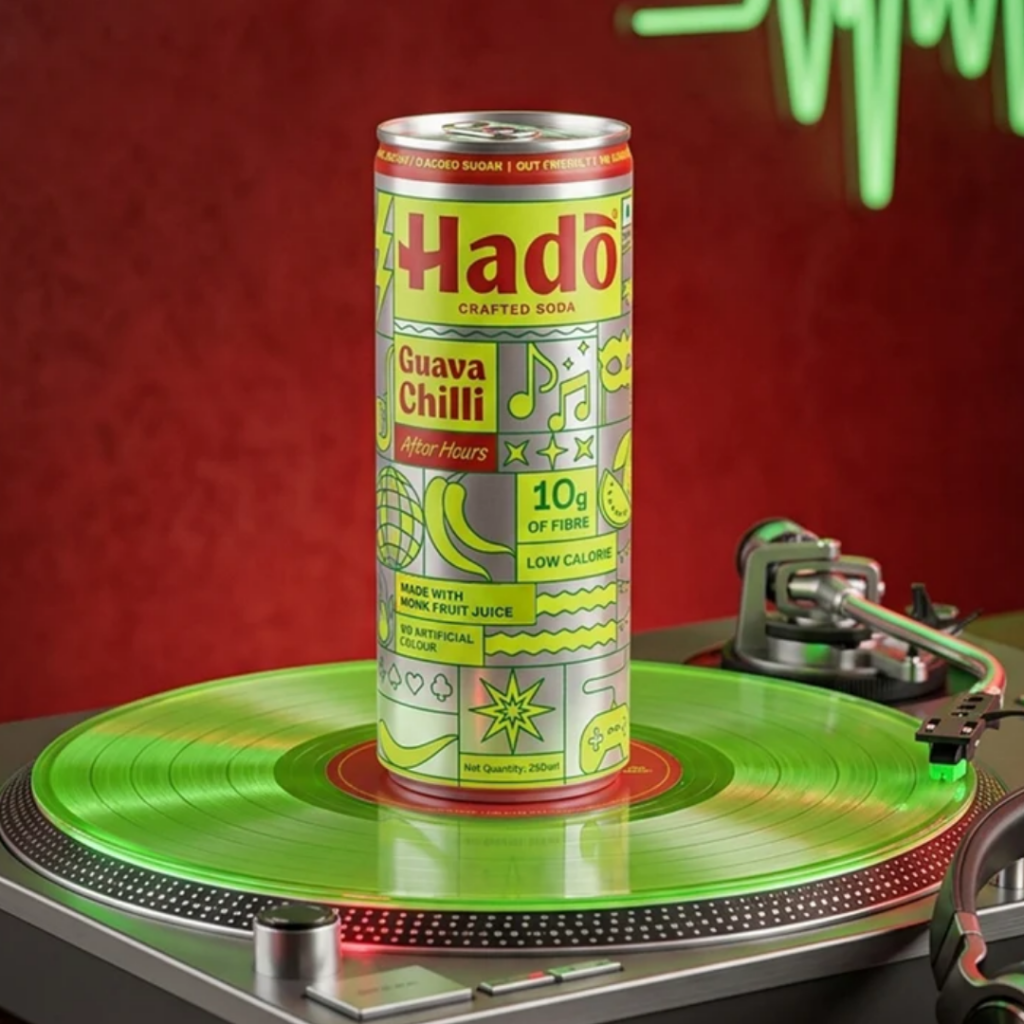
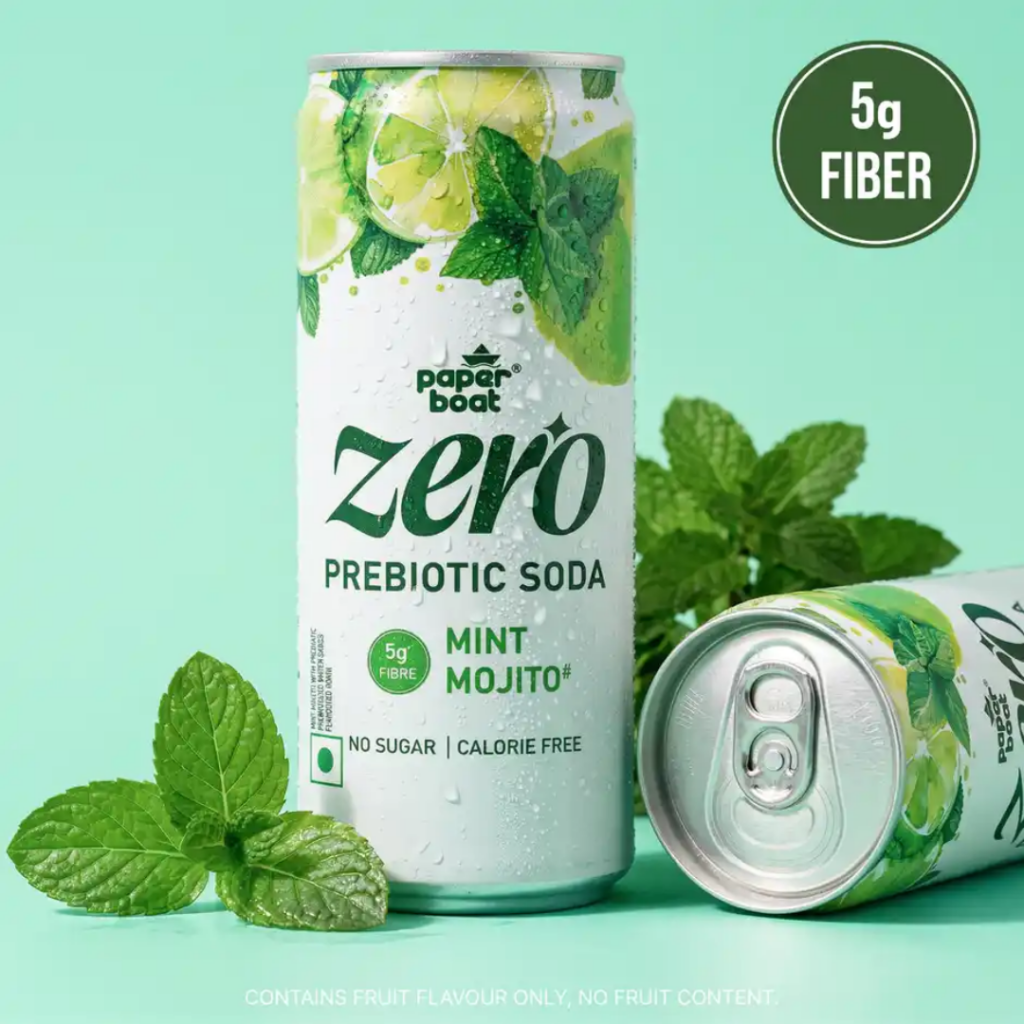
Following momentum created by brands such as Olipop, Poppi, and more recently Coca-Cola’s Simply Pop, Indian companies including Hadō, DRIX, and Paper Boat are introducing their own prebiotic soda offerings.
What will differentiate winners, however, is unlikely to be the format itself. Instead, competitive advantage may increasingly depend on:
- The specific prebiotic ingredients selected
- The dose incorporated into the final product
- The choice of alternative sweeteners
- The ability to balance efficacy, taste, affordability, and scalability
Why Formulation Matters
Paper Boat’s recently launched Zero Prebiotic Soda illustrates the complexity of these decisions. The product combines resistant dextrin with a zero-sugar formulation using erythritol and sucralose.
While resistant dextrin (aka soluble corn/wheat fiber) is a well-established prebiotic fiber, such formulations raise important questions for the broader industry:
- Are all prebiotic ingredients equally effective in beverage applications?
- What dosage levels are required to support meaningful health benefits?
- How do different sweetener systems influence the overall health proposition?
- Can brands maintain taste and affordability while preserving product functionality?
As more products enter the market, including a prebiotic ingredient simply may no longer be sufficient. Increasing attention is likely to be paid to the overall formulation and whether it supports the intended gut-health positioning.
What This Means for the Biotics Industry
Ultimately, prebiotic soda is more than a beverage trend.
It reflects a broader evolution across the biotics landscape, where microbiome-focused ingredients are moving beyond supplements and specialized nutrition products into everyday food and beverage occasions.
For ingredient suppliers, manufacturers, and brands, the key questions are emerging:
- Which prebiotic, probiotic, and postbiotic ingredients are gaining momentum?
- Which health benefits resonate the most with consumers?
- How are formulation strategies evolving across applications?
- Where are the next growth opportunities emerging?
Looking Ahead
The rise of prebiotic soda may be just one category trend today, but it could also be an early indicator of a much larger shift in how biotics is incorporated into mainstream consumer products. Understanding the interplay between ingredient selection, formulation strategy, scientific substantiation, and consumer demand will be critical as the market continues to evolve.
These are precisely the developments that the upcoming Global Biotics Intelligence Center will be tracking, providing insights into emerging ingredients, scientific advancements, innovation activity, and application trends across the rapidly evolving world of probiotics, prebiotics, postbiotics, and microbiome-focused solutions.