GLP-1 medications have rapidly evolved from a healthcare innovation into a force reshaping consumer behavior across multiple industries, including beauty. What was once viewed primarily as a weight-management treatment is now influencing how consumers think about aging, aesthetics, wellness, and self-care. As adoption accelerates, beauty brands, aesthetic providers, and wellness companies are beginning to recognize that GLP-1s are creating entirely new consumer needs and purchase behaviors.
Kline’s latest report shows that GLP-1 use is no longer a niche phenomenon. Approximately one in eight Americans have used a GLP-1 medication, while roughly half of aesthetic consumers are currently using, considering, or have experience with GLP-1 treatments. This growing population represents a highly engaged consumer segment that is actively investing in appearance, health, and overall wellbeing.
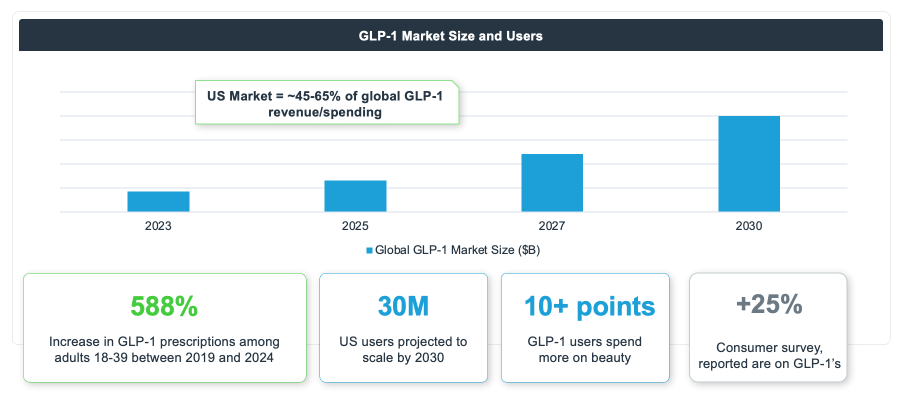
Source: Kline’s GLP-1 Spotlight report
As consumers experience significant weight loss, many are encountering unexpected beauty concerns. Facial volume loss, skin laxity, increased signs of aging, body contour changes, and hair shedding have emerged as common challenges associated with rapid weight reduction. These visible changes are driving demand beyond traditional beauty products, expanding opportunities across aesthetic treatments, physician-dispensed skin care, hair regrowth solutions, and medically credible wellness offerings.
The impact is already being felt throughout the beauty ecosystem. As highlighted in a recent blog, GLP-1 users are more engaged in aesthetic services and are increasing their spending on a variety of corrective and preventative solutions. Demand for skin tightening, volume restoration, biostimulators, physician-recommended skin care, and hair regrowth treatments is growing as consumers look to address the secondary effects of weight loss. For many, the journey does not end once weight-loss goals are achieved, it transitions into an ongoing maintenance and optimization phase.
As brands respond to these evolving needs, innovation is emerging across multiple categories of the beauty industry. Some companies are introducing dedicated GLP-1-positioned products and services, while others are leveraging existing portfolios to address common concerns. Examples of these early market responses are:

Image Skincare’s VOL.U.LIFT GLP-1 Skin Rebound Complex, developed specifically for post-GLP-1 skin concerns
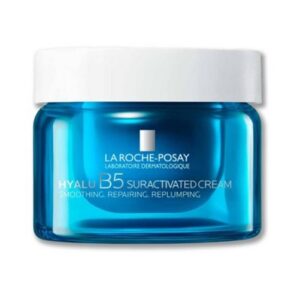
La Roche-Posay Hyalu B5 Suractivated Cream for hydration and volume support
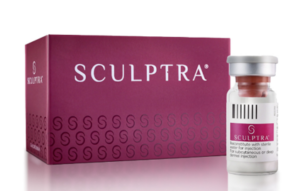
Sculptra, a collagen-stimulating injectable that helps restore facial volume
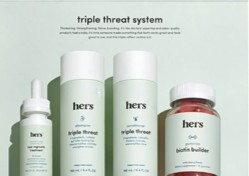
Hims & Hers’ Bundled GLP-1 + hair treatment, minoxidil / finasteride in single telehealth visit
New! Innovation Testing for Professional Beauty
These developments reflect a broader convergence of beauty, health, wellness, and longevity. Consumers increasingly evaluate products and services through a health-focused lens, prioritizing efficacy, scientific validation, and long-term outcomes. Rather than simply asking whether a product will make them look better, consumers are increasingly seeking solutions that improve skin health, support recovery, or contribute to overall wellbeing.
For beauty brands, the opportunity extends beyond launching another product. Success will depend on developing integrated solutions that address these emerging needs, whether through targeted formulations, treatment ecosystems, telehealth partnerships, or clinically backed regimens. GLP-1 medications are creating a new beauty consumer base with distinct concerns, higher engagement, and a growing willingness to invest in solutions. As the market continues to evolve, brands that understand and respond to this shift will be best positioned to capture growth in the next era of beauty.