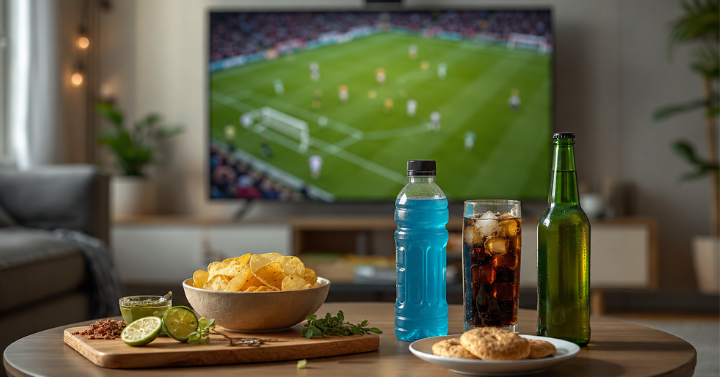
The World Cup is usually viewed through the lens of sport, sponsorship, and global fan excitement. But for the food and beverage industry, it is also a major moment of consumption.
Across homes, pubs, fan zones, stadiums, convenience stores, and delivery platforms, the tournament creates occasions where people gather, snack, drink, share, and celebrate. For food and beverage manufacturers, the opportunity is not only about adding football-themed packaging to existing products, but also about understanding how people eat, drink, share, and engage during these high-energy moments, and what it can reveal about wider market opportunities across flavor, format, ingredients, packaging, and occasion-led innovation.
Match-day eating is changing
Snacks will always have a place in sports viewing. Crisps, dips, soft drinks, and easy meal solutions all fit naturally into match-day occasions. However, consumers are now bringing more layered expectations to these moments. They still want indulgence, flavor, and convenience, but many are also looking for products that feel more premium, more interesting, or more connected to the occasion.
Recent football-related activations show how this can come to life. Lay’s has introduced 40 limited-edition FIFA World Cup-inspired potato chip flavors globally, including Argentinian-Style Steak with Chimichurri, Brazilian-Style Garlic Sauce, and Wavy French Onion Soup in the United States. Whilst Nestlé’s Toll House range has also introduced soccer-themed chocolate morsels and cookie dough designed for game-day baking.

These examples show how global events can create space for flavor, format, and visual novelty, but the opportunity goes beyond that. The strongest ideas are likely to be connected to real occasions: hosting friends, sharing food, ordering delivery, or picking up snacks and drinks on the way home.
For ingredient suppliers, these examples point back to the fundamentals: flavor systems, seasonings, sweeteners, textures, colors, coatings, and preservation solutions that help products deliver taste, excitement, and consistency at scale.
Beverages are a key opportunity
Beverages fit naturally within World Cup viewing occasions, from soft drinks and energy drinks to beer alternatives and functional hydration products.
Recent football-related launches show how this can go beyond refreshment alone. Powerade’s FIFA Playstyles range, for example, includes Attack, a spicy citrus flavor, and Defend, a floral citrus option formulated with added vitamin B5 to support mental focus. It links the tournament to functional beverage cues such as hydration, energy, flavor, and focus.

No- and low-alcohol alternatives also fit naturally into this occasion. With rising consumer demand for non-alcoholic options, brands are leaning into low-ABV, functional, and non-alcoholic beers that still deliver refreshment and a sense of the occasion. Major tournament sponsor AB InBev is helping bring this trend into the World Cup context by providing zero-alcohol alternatives for fans watching long tournament matches.
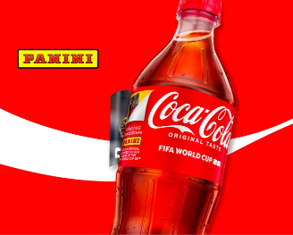
Coca-Cola’s FIFA World Cup 26 activity shows another route, in which beverages become part of the fan experience. Its collectible World Cup bottles and Coca-Cola x Panini sticker promotion turn packaging into a collectible moment, while still relying on the core beverage experience of taste, sweetness, carbonation, color, and refreshment.

For manufacturers, the challenge is to deliver products that feel right for the moment while meeting expectations around taste, functionality, moderation, and refreshment.
The bigger lesson
The World Cup is a brief event, but the behaviors it highlights are not.
Consumers are increasingly making food and beverage choices around specific occasions: watching sport, hosting friends, traveling, snacking, seeking convenience, exploring new flavors, or looking for products that balance enjoyment with evolving health and wellness expectations.
For manufacturers and ingredient suppliers, the real opportunity is not simply asking, “What can we sell during the World Cup?” It is asking, “What can this moment teach us about where consumer demand is heading, and which ingredients, applications, and formats are best placed to meet it?”
At Kline, our Food & Nutrition practice helps companies identify where these opportunities are emerging across ingredients, applications, categories, and channels, helping brands turn marketing moments into informed growth strategies. Connect with our team to learn more.